01
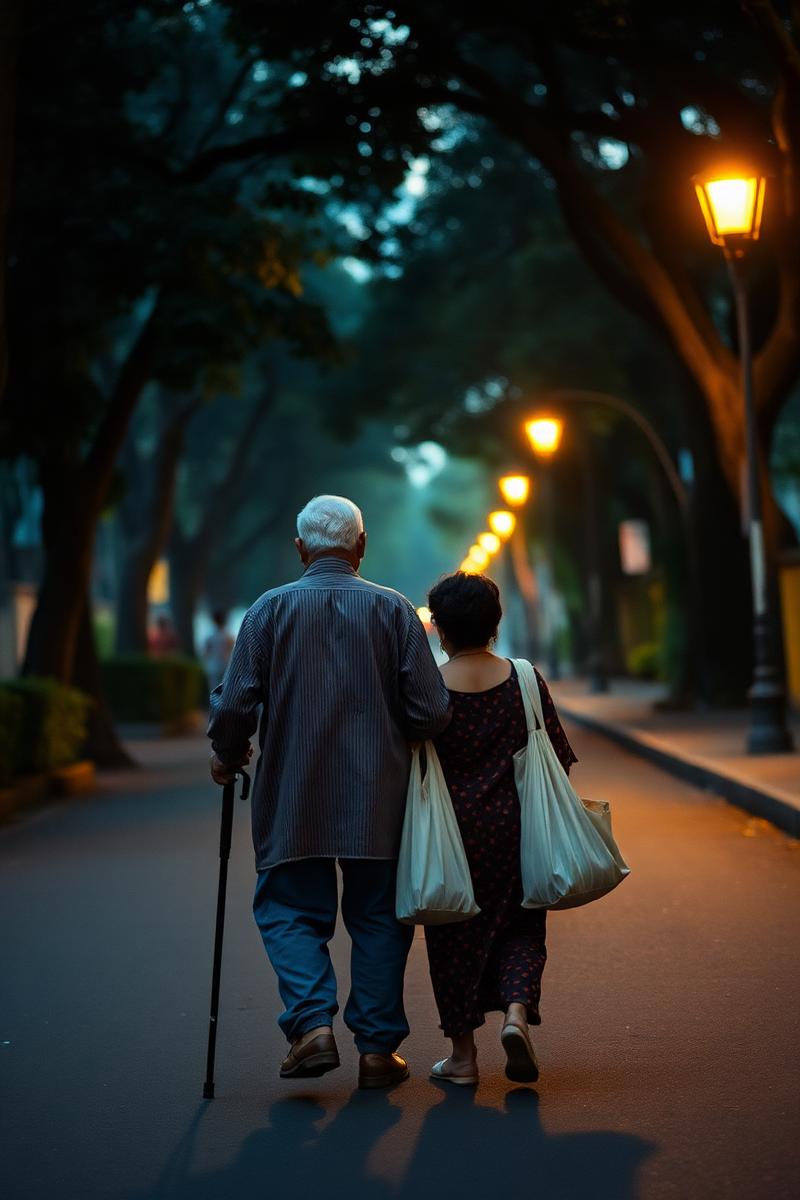
Morning Walks
An accompanied stroll through the colony park, the residents' garden, or the temple lane. The pace is the elder's pace. The conversation is whatever they want it to be. The job is to make leaving the house feel possible again.
Eight ways our companions are present. No per-hour menu, no upsells — the work is shaped to the elder. Pricing is discussed by phone after we understand what the household actually needs.
An accompanied stroll through the colony park, the residents' garden, or the temple lane. The pace is the elder's pace. The conversation is whatever they want it to be. The job is to make leaving the house feel possible again.
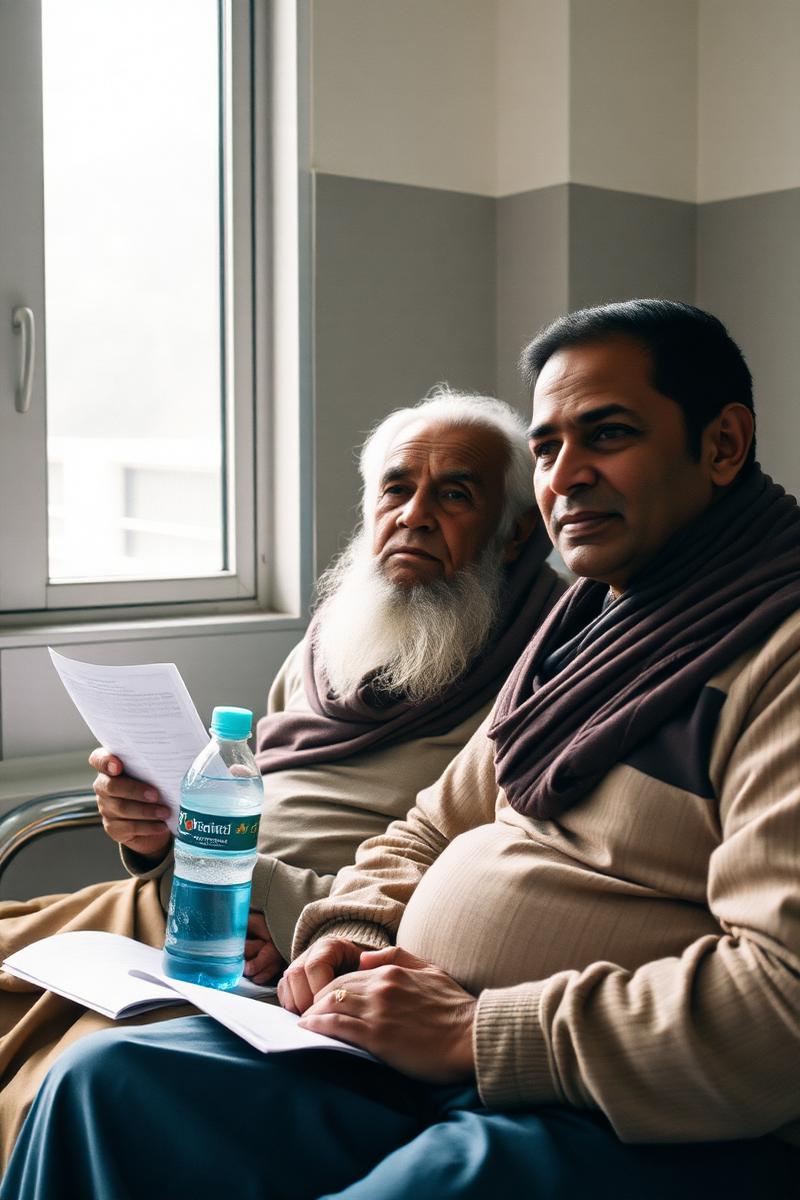
A companion travels with the elder to the consultation, takes notes the doctor reads back, helps remember what the prescription said and what the next step is. We do not administer medicine or perform clinical care — we are the second pair of ears.
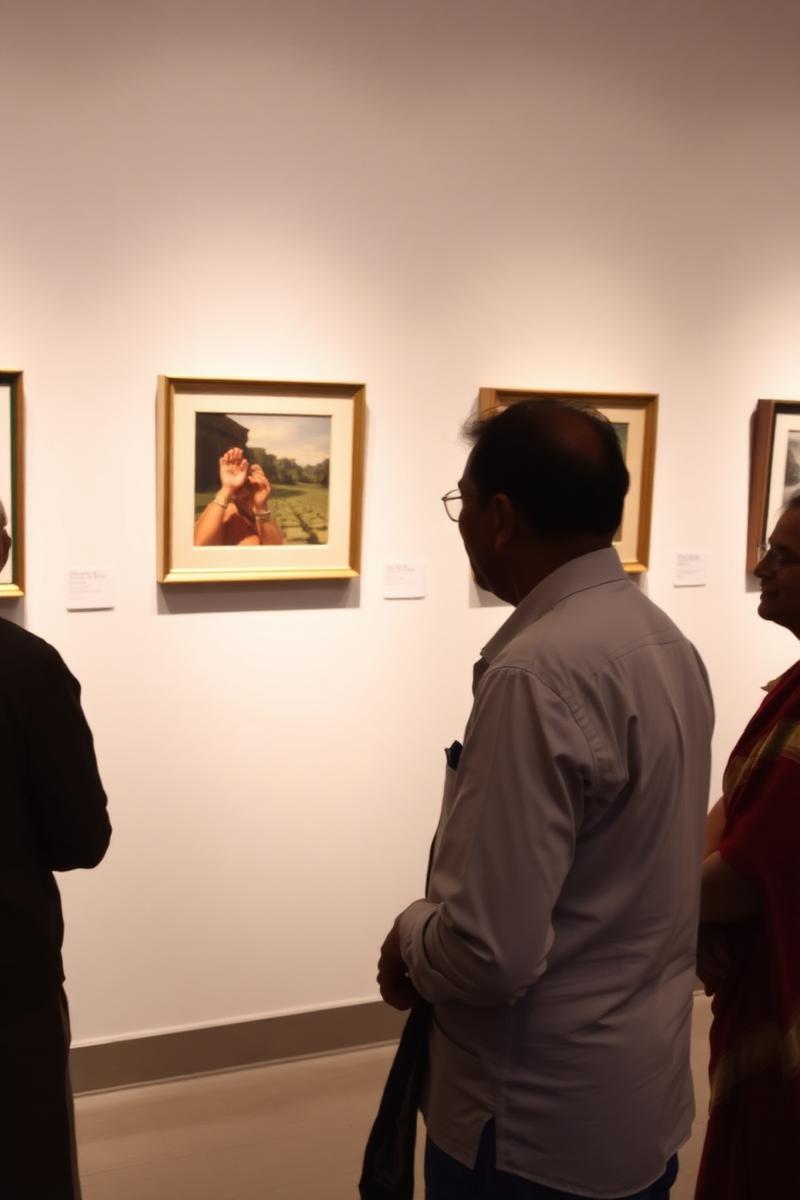
The bookshop they used to visit. The gallery they meant to see. The Sunday matinee. We handle the logistics — taxi, ticket, water, washroom — and step back when they want to look at the painting alone.
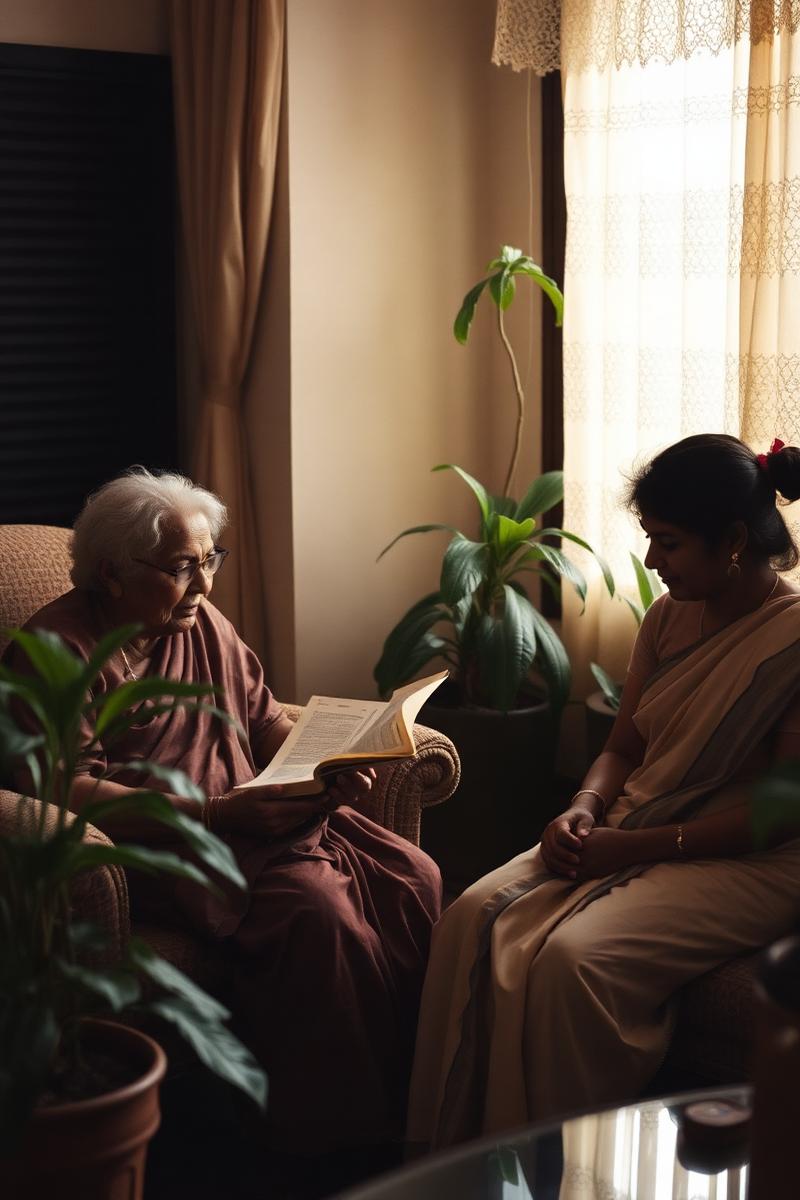
Newspapers read aloud in the language of the home. Letters answered. Stories returned to. For elders whose eyes have grown tired but whose minds have not.

Set up the video call. Show them the photographs the grandchildren sent. Write down the WhatsApp password somewhere they will find it tomorrow. The work that closes the distance.
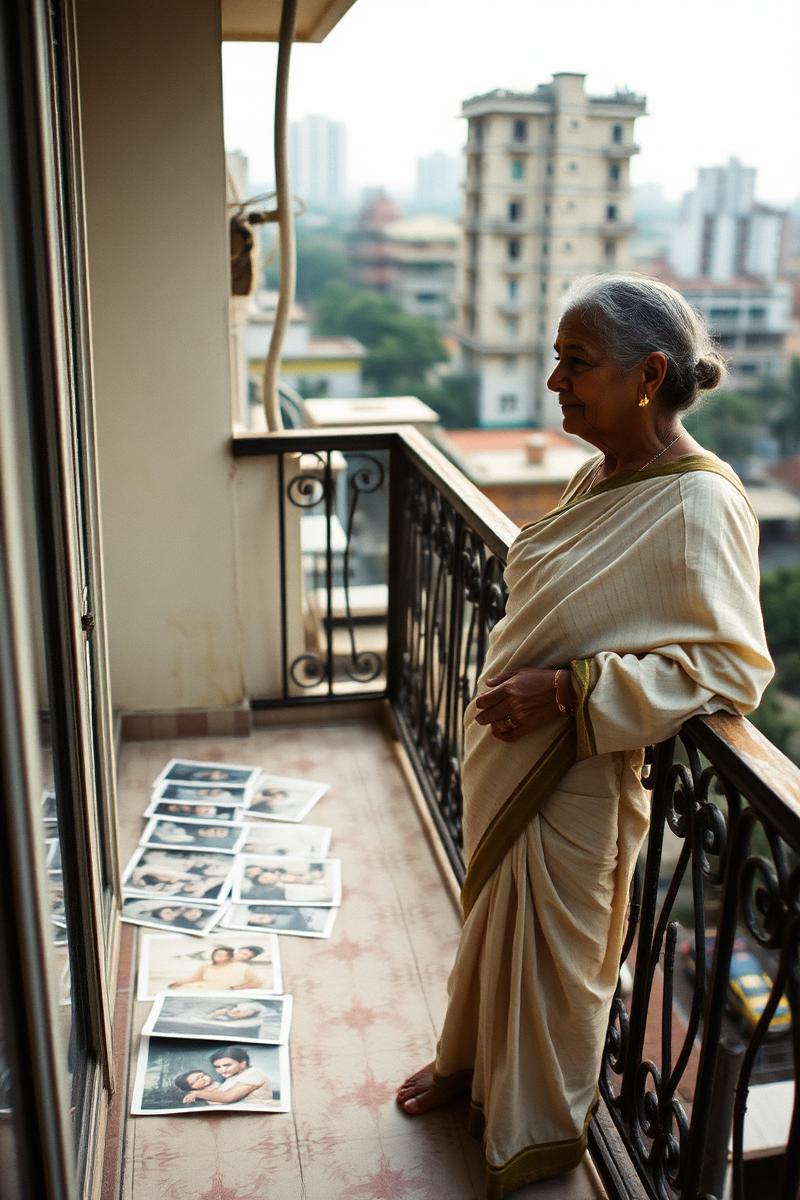
Stories transcribed before they fade. Photographs organised, captioned, dated. A small archive built across visits — a thing the family will be grateful for, later.

Chess, crosswords, carrom, the puzzle book. Structured time that keeps the afternoon sharp. Not therapy, not assessment — companionship with intent.
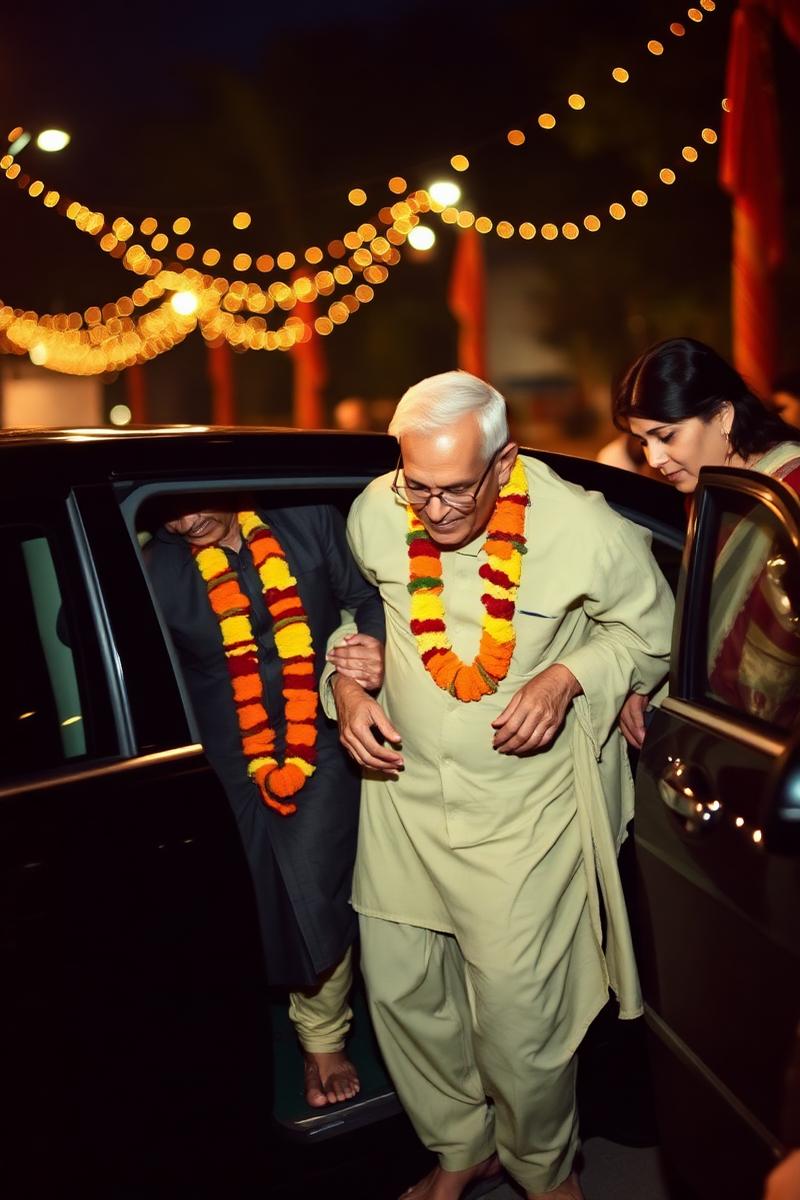
Weddings, anniversaries, the cousin's housewarming. Arriving with grace, leaving without strain. A companion handles the chair, the plate, the goodbye, so the elder can be where they want to be: present.